Your Cart is Empty


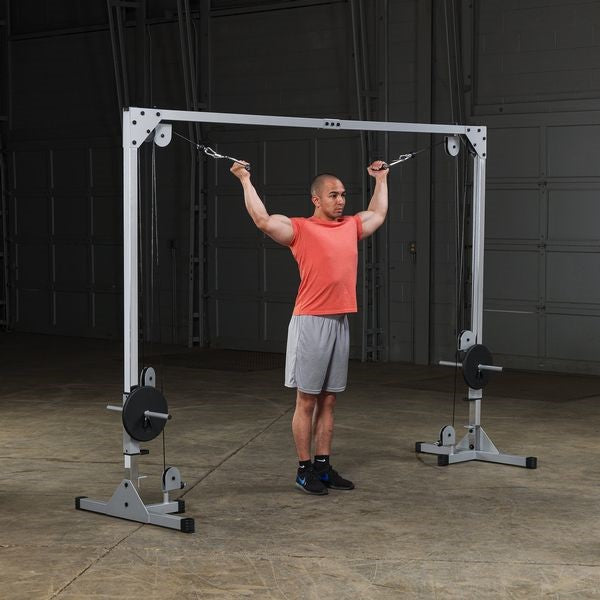
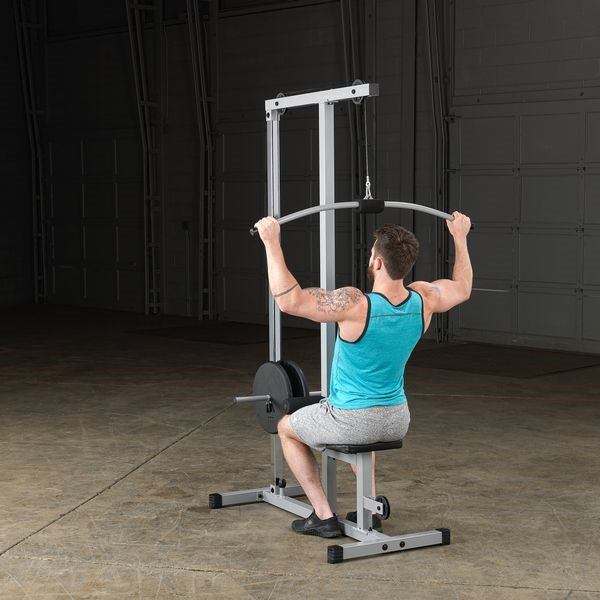
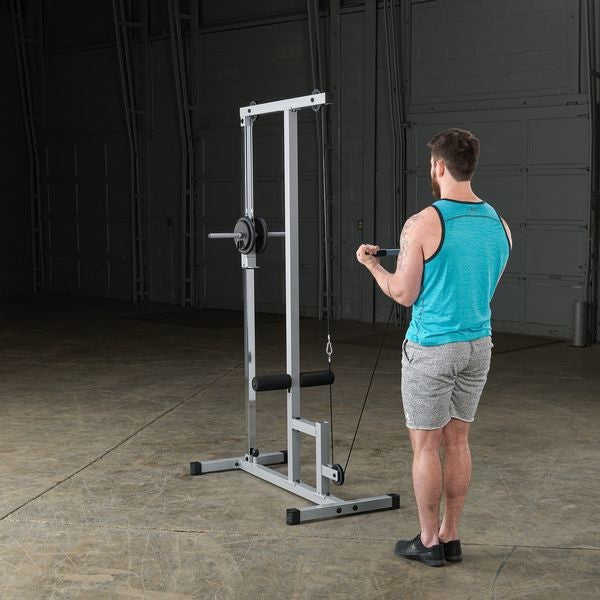
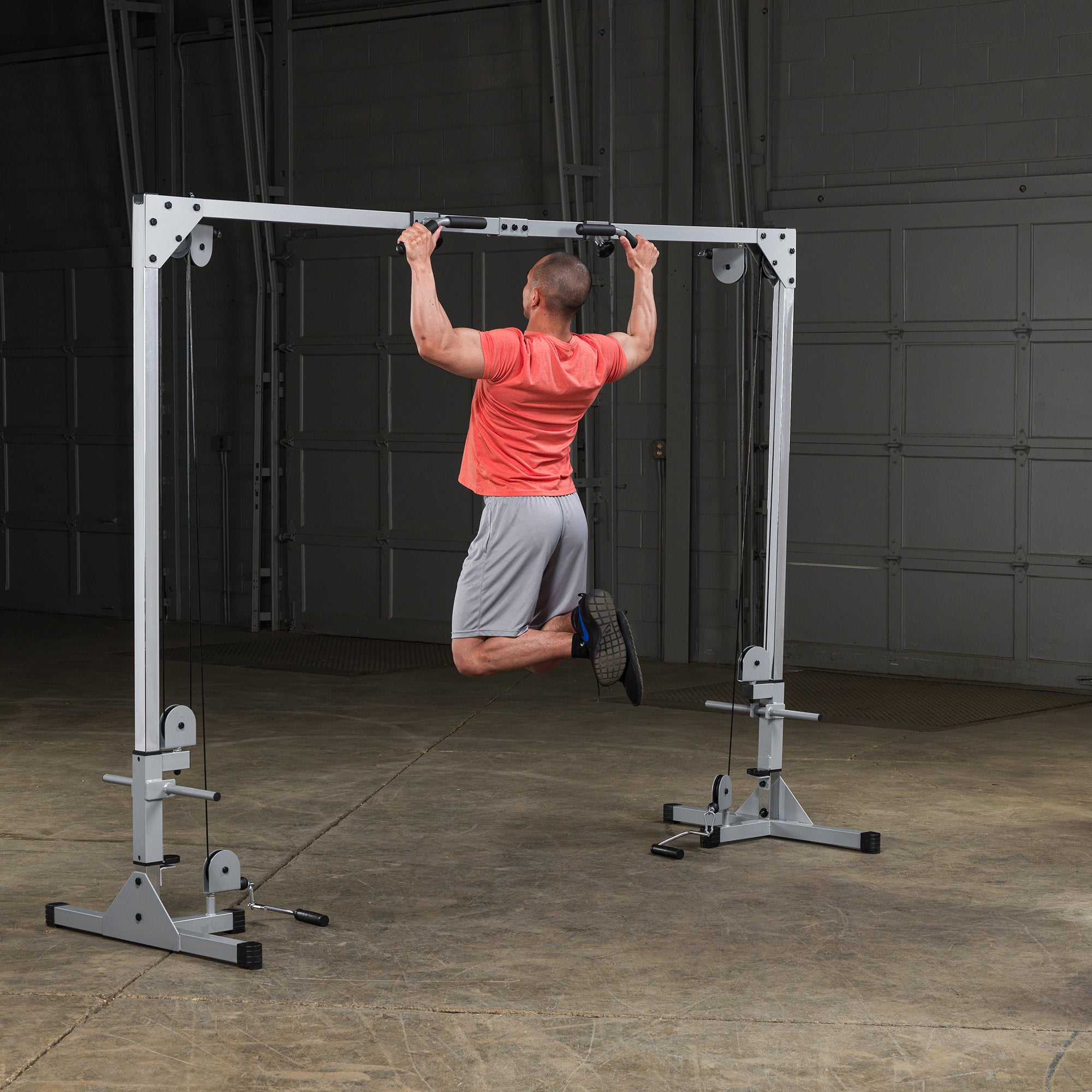
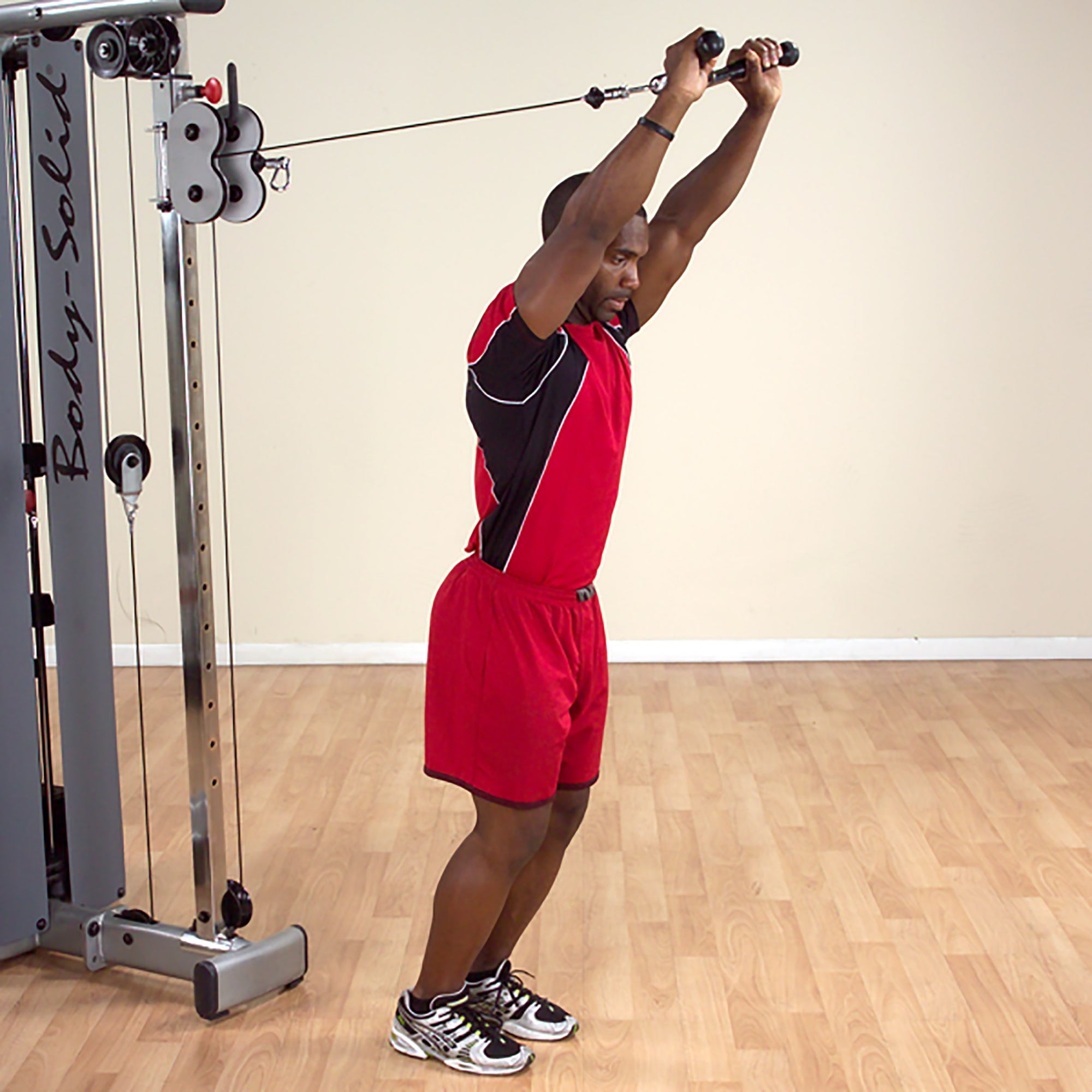
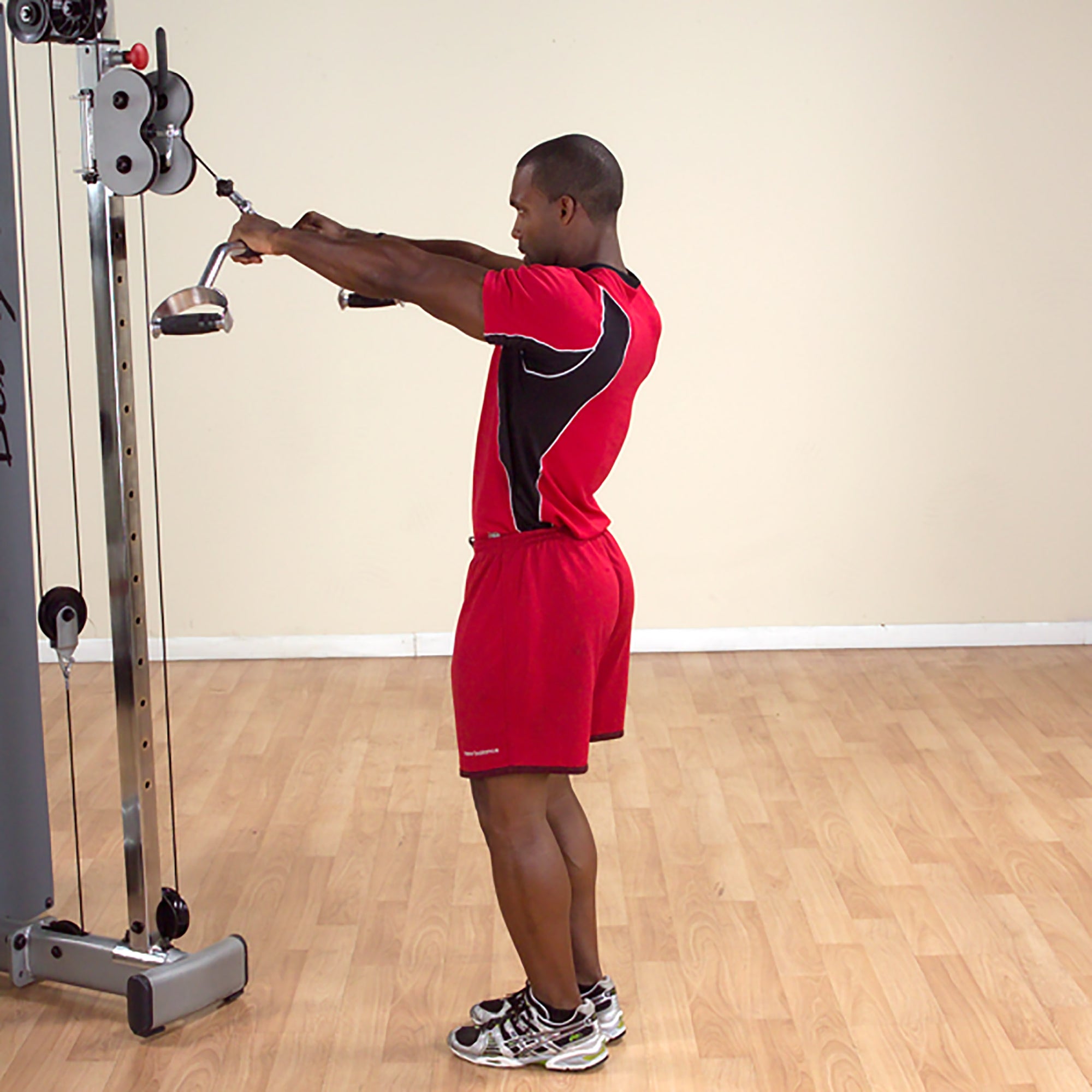
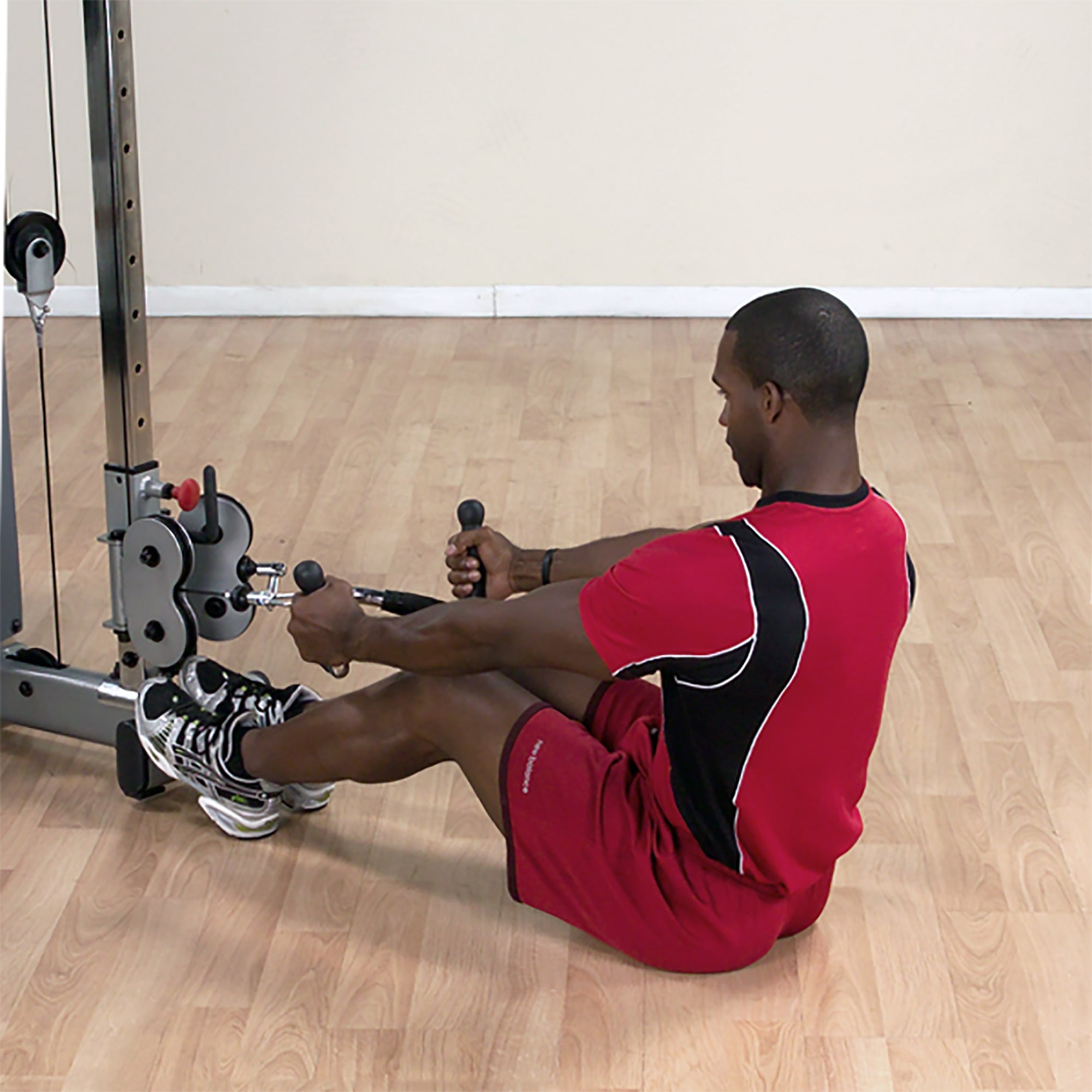
Cable machines are the most versatile single piece of equipment you can put in a gym. One frame gives you crossovers, rows, pulldowns, presses, curls, extensions and rotational core work, with the weight stack or plates doing the loading so every movement stays smooth and controlled. Our range covers the four main types of gym cable machine. Functional trainers have two independent weight stacks on swivelling pulleys that adjust from floor to overhead, ideal for home gyms and studios and for training each side on its own. Single-stack cable machines give you the same pulley range in a smaller footprint. Plate-loaded cable crossover machines use your own weight plates (Standard, or Olympic with adapter sleeves), so resistance is limited only by what you load. Plate-loaded lat pulldown machines are the compact option: a high and low pulley for pulldowns, rows and curls on a frame that fits a small home gym. Every machine here is built by Body-Solid, including its Powerline and Best Fitness ranges, and delivery is free Australia-wide from our Adelaide warehouse. Add cable attachments, such as lat bars, V-bars, curl bars and weight-stack upgrades, to get more from the machine you choose.
Four things decide which machine suits you: how many weight stacks you want, how much resistance you need, how much space you have, and how hard the machine will be used.
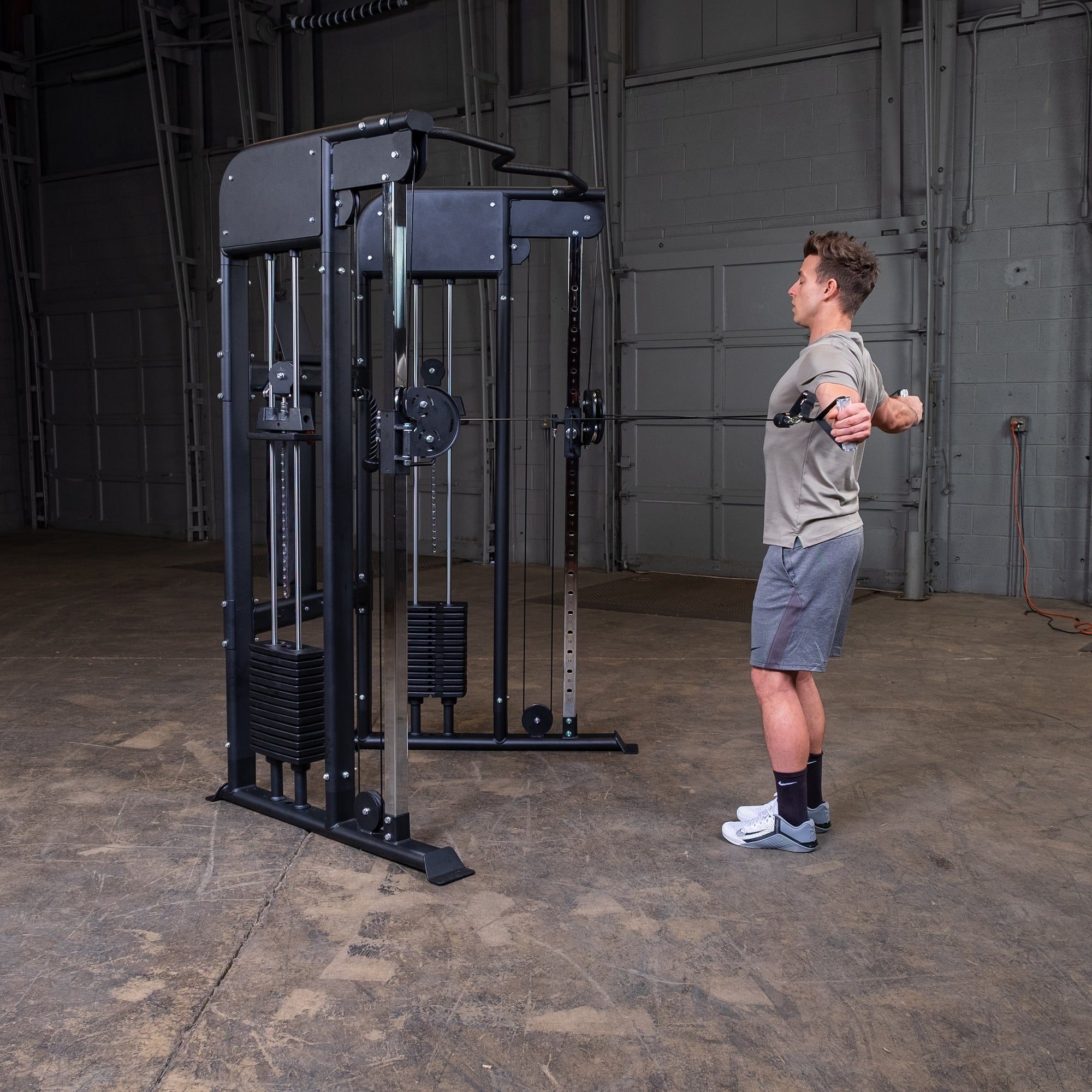
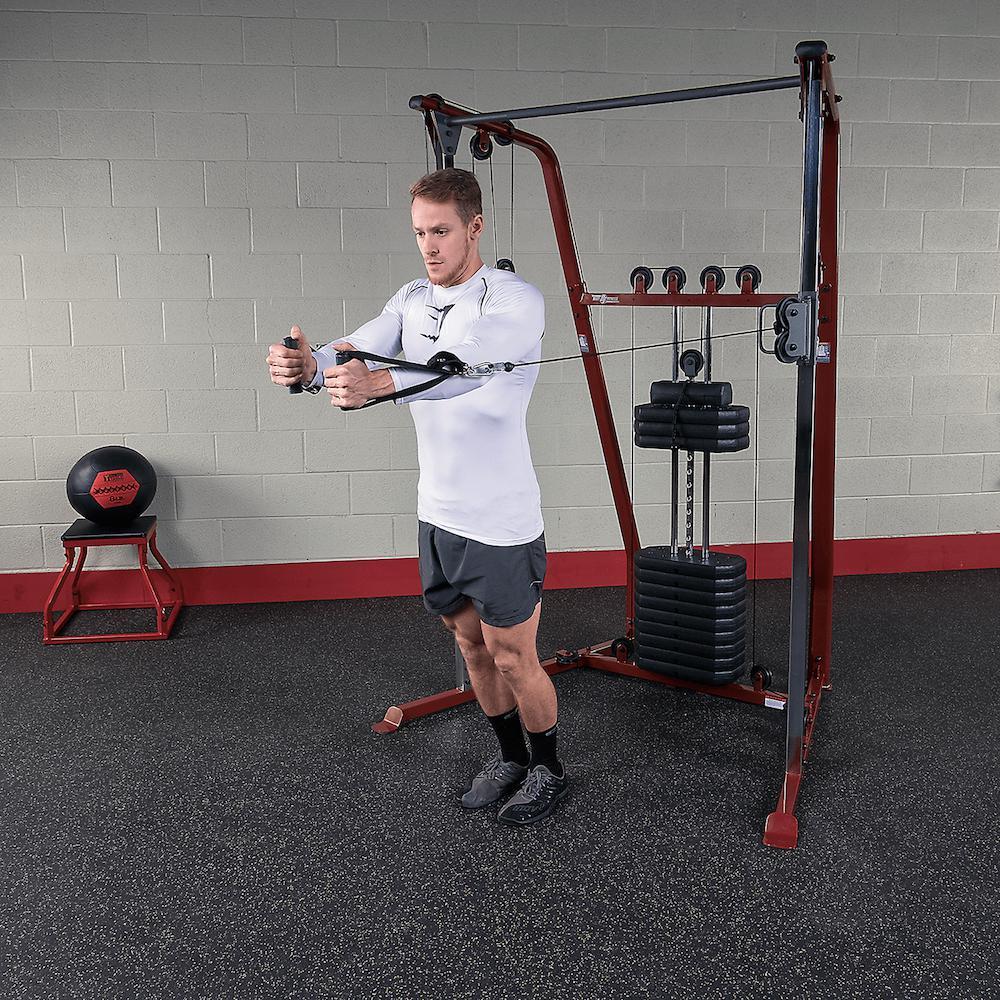
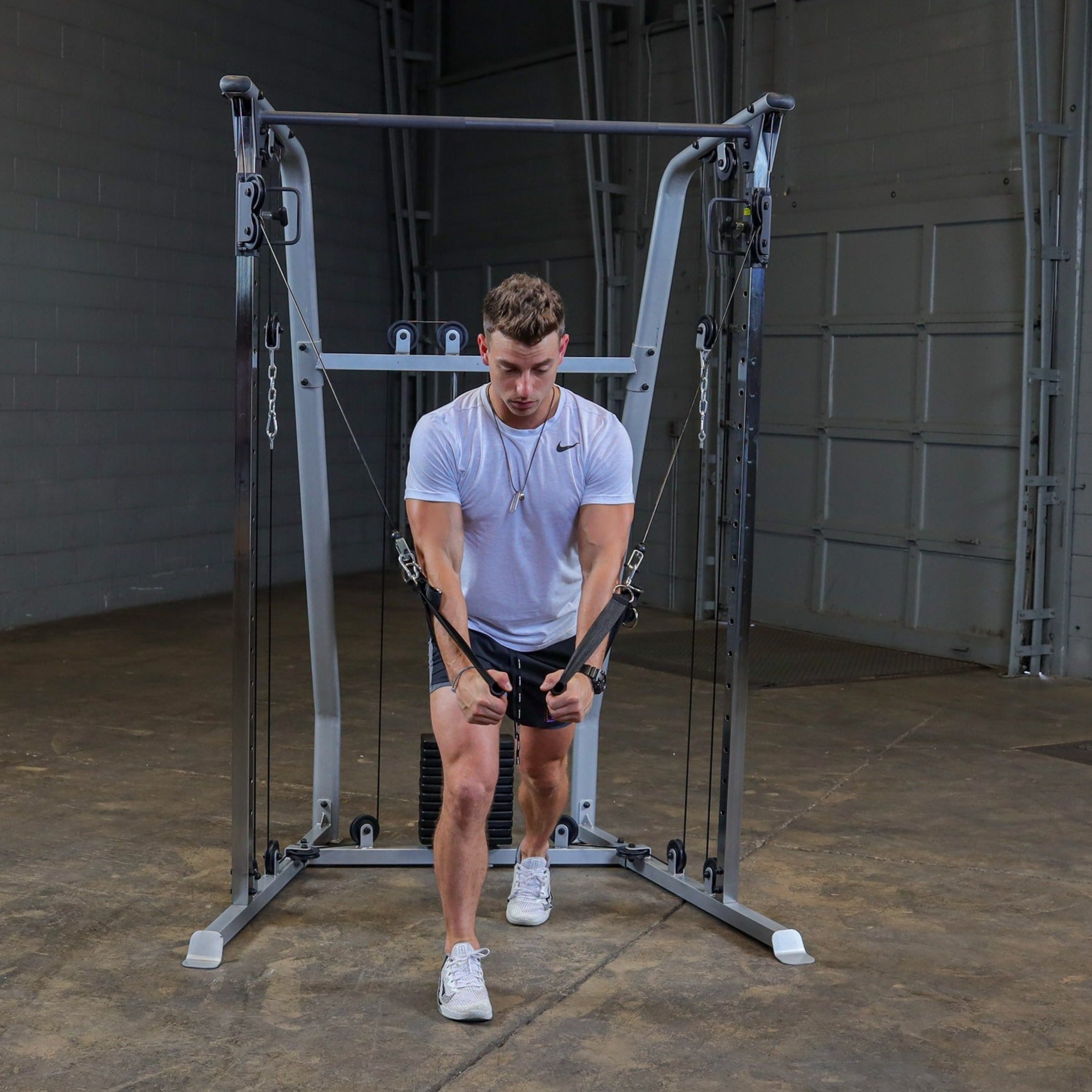
A dual-stack functional trainer has a separate weight stack for each side, so you can train one arm or leg at a time and set a different weight on each side. Our Powerline PFT100X dual-stack functional trainer and Body-Solid GFT100 commercial functional trainer both use two 72.5 kg stacks. A single-stack machine runs both pulleys from one stack: it costs less and suits rehab, beginners and lighter training. Choose the Best Fitness BFFT10R compact home cable machine or the Powerline PFT50 single-stack functional trainer with its cast-iron stack.
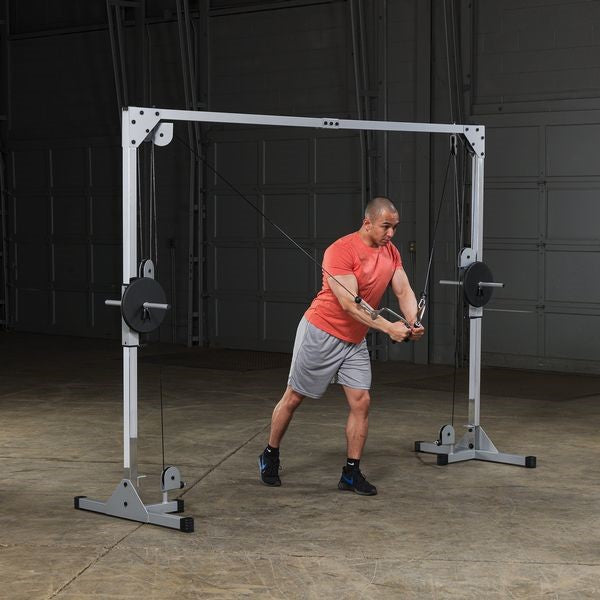
Functional trainers use a pulley ratio, so the weight at the handle is lower than the stack weight. In return you get small increments and a long cable pull. The PFT100X and GFT100 give up to 36 kg per side, or 47.5 kg with two PP10 weight stack upgrade packs. The BFFT10R gives up to 21.5 kg in 1.7 kg steps, and the PFT50 up to 23.75 kg in 1.14 kg steps. To load heavier, the Powerline PCCO90X plate-loaded cable crossover takes up to 90 kg of your own plates per cable.
A plate-loaded lat pulldown machine is the compact, lower-cost way to add cable work to a free-weight setup: a high pulley for lat pulldowns and a low pulley for seated rows and curls, loaded with plates you may already own. The Powerline PLM180X takes up to 113 kg on a 122 × 109 cm footprint; the Body-Solid GLM85B takes up to 141 kg and switches from pulldowns to rows without a cable change. Compare them on the lat pulldown machines page.
Measure the floor and the ceiling height before you buy. Allow room around the machine to step into each movement and for the cables to travel, and extra headroom if you will use a chin-up bar.
Each machine carries a use rating that sets its warranty. The BFFT10R is built for home use. The PFT50, PFT100X, PCCO90X, PLM180X and GLM85B are rated for light commercial use, such as PT studios and clinics; the Powerline machines carry a 10-year frame warranty and the GLM85B a lifetime frame warranty. The GFT100 is built for heavy commercial use and has a lifetime frame warranty.
| Machine | Type | Resistance | Increments | Size (W × D × H) | Rated for | Frame warranty |
|---|---|---|---|---|---|---|
| Powerline PFT100X | Dual-stack functional trainer | 2 × 72.5 kg stacks; up to 36 kg per side (47.5 kg upgraded) | 2.27 kg | 159 × 108 × 211 cm | Light commercial | 10 years |
| Body-Solid GFT100 | Dual-stack commercial functional trainer | 2 × 72.5 kg stacks; up to 36 kg per side (47.5 kg upgraded) | 2.27 kg | 163 × 115 × 211 cm | Heavy commercial | Lifetime |
| Powerline PFT50 | Single-stack functional trainer | 95 kg cast-iron stack; up to 23.75 kg | 1.14 kg | 155 × 140 × 212 cm | Light commercial | 10 years |
| Best Fitness BFFT10R | Single-stack home cable machine | 86 kg stack; up to 21.5 kg | 1.7 kg | 155 × 140 × 212 cm | Home | Home warranty (see product page) |
| Powerline PCCO90X | Plate-loaded cable crossover | Your own plates; up to 90 kg per cable | Set by your plates | 287 × 93 × 211 cm | Light commercial | 10 years |
| Powerline PLM180X | Plate-loaded lat pulldown machine | Your own plates; up to 113 kg | Set by your plates | 109 × 122 × 211 cm | Light commercial | 10 years |
| Body-Solid GLM85B | Plate-loaded lat pulldown machine | Your own plates; up to 141 kg (optional 95 kg stack) | Set by your plates | 114 × 137 × 208 cm | Light commercial | Lifetime |
A functional trainer is a cable machine with two pulleys that adjust from floor to overhead and swivel to follow your movement, loaded by a pin-selected weight stack. One machine covers presses, rows, pulldowns, flyes, curls, extensions, squats and rotational core work.
A cable crossover has a wide frame with high and low pulleys on each side, which suits crossovers and flyes, and on the PCCO90X you load your own plates. A functional trainer is more compact, with weight stacks you change with a pin and pulleys that set to many heights, so switching exercise and weight is quicker.
If you want one machine that trains every muscle group, usually yes. A cable machine gives you presses, rows, pulldowns, flyes, curls, extensions, leg work and core work from one frame, and you change the weight with a pin, so it does the job of several separate machines. The cables keep tension through the whole movement, which suits beginners and rehab as well as strength training. It is not built for maximal lifting: for heavy squats and presses, pair it with a power rack.
For most home gyms the PFT100X is the value pick: two independent stacks and 2.2 m of cable travel, the longest in our range. If space or budget is tight, the BFFT10R gives you the same pulley range from a single stack. If the machine will see heavy use every day, the GFT100 adds a heavier 11-gauge frame, a full attachment set and a lifetime frame warranty.
Yes, on the PFT100X and GFT100. Two PP10 packs (one per stack) take each stack from 72.5 kg to 95 kg, which lifts the maximum from 36 kg to 47.5 kg per side.
Yes. Every cable machine ships free Australia-wide by freight from our Adelaide warehouse. Freight is usually delivered unattended, so please make sure there is a safe, accessible spot to leave it.